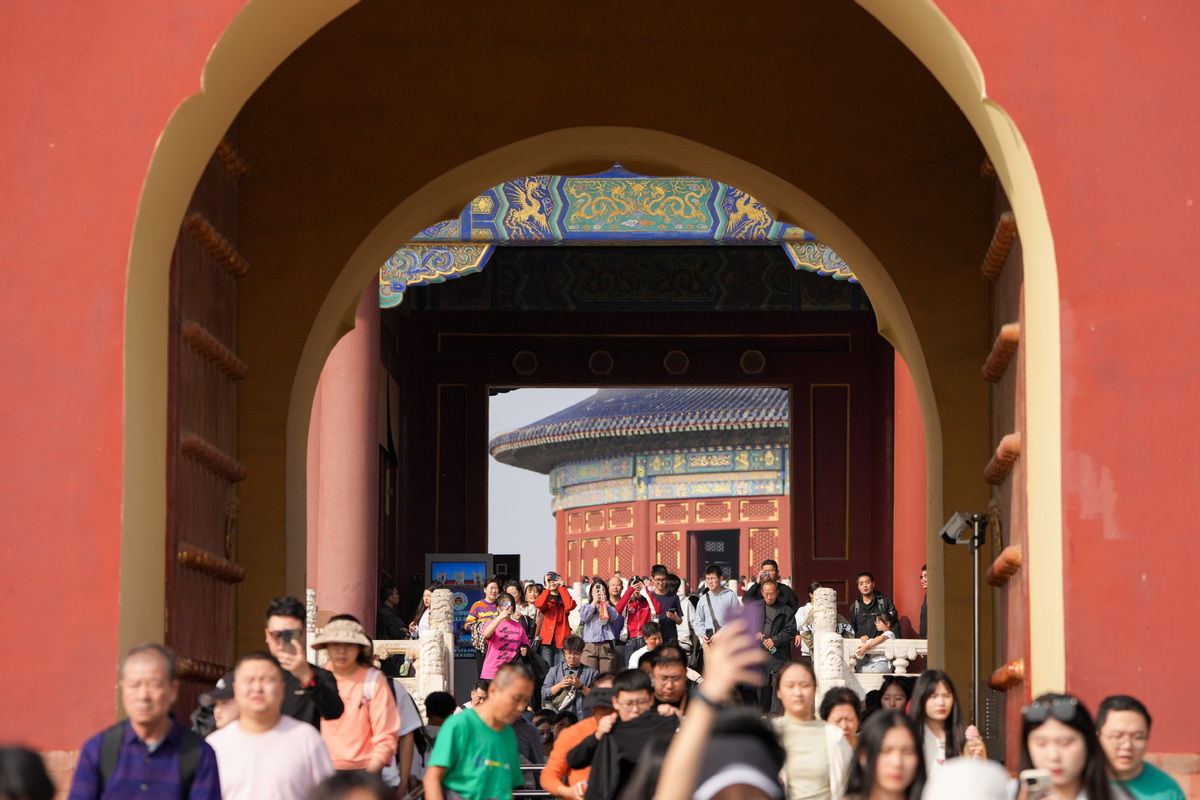
Golden Week
Introduction
Golden Week is a term used to describe two major holiday periods in China, characterized by extended breaks and significant travel and economic activity. These holidays include the National Day Golden Week and the Spring Festival Golden Week. The National Day Golden Week, celebrated from October 1 to 7, coincides with China's National Day and sometimes with the Mid-Autumn Festival, making it an extended eight-day holiday under certain circumstances. Meanwhile, the Spring Festival Golden Week marks the Lunar New Year and is primarily reserved for family reunions. Golden Weeks are periods of heightened travel, cultural activities, and economic engagement across China, making them crucial for tourism, retail, and social interactions.
History
In the late 1990s, the concept of Golden Week was introduced by the government as a strategy to boost domestic consumption and tourism by providing extended holidays to the public. The initiative aimed to stimulate economic activity and enable citizens to travel and spend quality time with their families. The inaugural Golden Week kicked off with the National Day holiday in 1999, aligning with the government's objective of promoting economic growth through domestic tourism and consumption. The success of the National Day Golden Week led to the formalization of the Spring Festival Golden Week, a traditional time for travel and family reunions due to Lunar New Year festivities. Initially, three Golden Weeks were established: the Spring Festival Golden Week, the Labor Day Golden Week (in May), and the National Day Golden Week. However, in 2008, the Labor Day Golden Week was shortened to a single-day public holiday, leaving the Spring Festival and National Day as the two remaining Golden Weeks. Over the years, these holiday periods have evolved into significant events on China's social and economic calendar, attracting millions of travelers both domestically and internationally.
Public Holidays
National Day Golden Week
The National Day Golden Week, celebrated from October 1 to 7, commemorates the founding of the People's Republic of China in 1949. This holiday is marked by grand celebrations, including parades, fireworks, and public performances. It is one of the busiest travel periods in China, with millions of people visiting domestic and international tourist destinations. The government often extends the holiday to include the Mid-Autumn Festival when it coincides, creating an eight-day holiday period. During this time, public institutions, schools, and many businesses are closed, allowing families to travel and participate in cultural and recreational activities.
Spring Festival Golden Week
The Spring Festival Golden Week coincides with the Chinese New Year, a time traditionally reserved for family reunions and cultural celebrations. It is based on the lunar calendar, usually occurring between late January and February. This week-long holiday sees the largest annual human migration, as millions of people return to their hometowns to celebrate with family. Customs include feasting, exchanging red envelopes, and attending cultural performances. Businesses and schools close to allow people to travel freely and engage in traditional activities, making it a significant period for both social and economic activities in China.
Economic Impact
Tourism
Golden Weeks are critical drivers of tourism in China, spurring millions of domestic and international trips. The National Day Golden Week, in particular, sees an influx of travelers to cultural and historical sites, boosting local economies and promoting regional tourism. Popular destinations such as Beijing, Shanghai, and scenic areas like the Great Wall and Yangtze River see significant increases in visitor numbers. The Spring Festival Golden Week also contributes to domestic tourism, with families traveling to scenic and leisure destinations, enhancing the tourism industry's revenue.
Retail and Sales
Retail and sales experience a substantial boost during Golden Weeks as consumers engage in holiday shopping and leisure spending. With extended holidays, people have the opportunity to shop for gifts, clothing, and festive items, leading to increased sales for retailers. Promotions and discounts during these periods further drive consumer spending. Major shopping centers and online platforms often report a surge in sales, making Golden Weeks an essential time for retailers to optimize their marketing and sales strategies.
Social and Cultural Effects
Travel Patterns
Golden Weeks significantly influence travel patterns in China, with millions opting for both short and long-distance travel. During these periods, major cities experience an exodus as people visit family or explore new destinations. Short-distance travel to nearby tourist spots and rural areas also becomes popular, contributing to the diversity of travel experiences. The high volume of travelers during Golden Weeks often results in crowded transportation hubs and popular tourist attractions.
Family Gatherings
Family gatherings are a cornerstone of Golden Week celebrations, particularly during the Spring Festival. This period is dedicated to reuniting with family members, honoring ancestors, and participating in traditional customs. Many people return to their hometowns to celebrate with family, reinforcing cultural and familial bonds. These gatherings often involve large feasts, cultural performances, and the exchange of gifts, underscoring the social importance of Golden Weeks in Chinese culture.








